







Value-Based Care for Senior Living
Better Outcomes Start with Better Data
What is Value-Based Care in Senior Living?
Value-based care is a model where senior living communities and healthcare providers work together to improve resident outcomes and reduce avoidable incidents. Success is measured by results, not volume, which means outcomes, risk reduction, and coordination matter more than ever.

Why Do EHRs Matter for Value-Based Care?
Value-based care depends on knowing what care was delivered, when it was delivered, and how it impacted resident health. Without a reliable EHR, there’s no consistent way to track care, identify risk, or share outcomes with provider partners.
The Foundation for Value-Based Care in Senior Living
Actionable Analytics
Powered by ECP Analytics
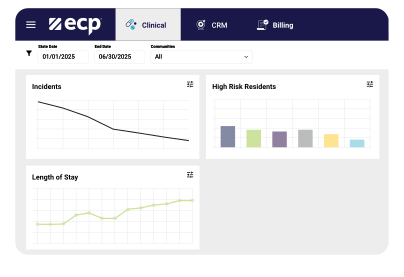
- Reporting & dashboards for KPI tracking
- Portfolio-level views for leadership and clinical oversight
Reliable Data
Built with eMAR, EHR, and Incident Tracking
- eMAR for medication accuracy and safety
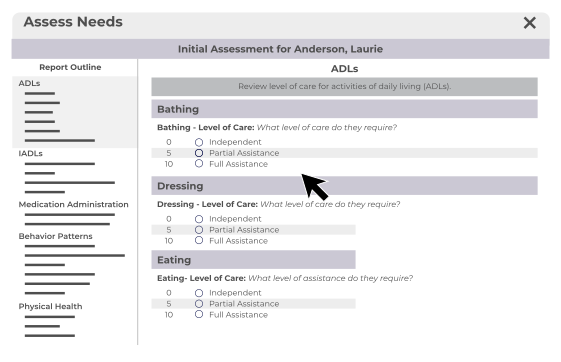
- EHR for assessments, care plans, and documentation
- Incident tracking for visibility into adverse events
Preventative Outcomes
Enabled by ECP Intelligence
- AI-driven risk predictors
- Trend-based alerts tied to real care data
How it all works together
From daily care to measurable outcomes
ECP connects daily care delivery to outcomes that matter in value-based care.
-
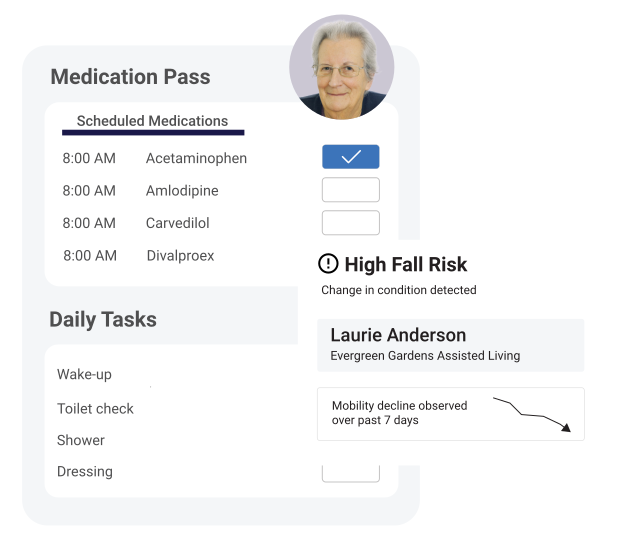
Care is delivered and documented in ECP
-
Data is standardized across communities
-
Risk and trends surface automatically
-
Teams intervene earlier and more precisely
-
Outcomes are visible and shareable with partners
Built for value-based care partnerships
Designed to Work with Physicians, ACOs, and Care Partners
Senior living communities are the source of truth for resident-level care. ECP makes that data usable beyond your four walls.
-
Share care delivery and outcomes with partners
-
Align KPIs with provider and ACO expectations
-
Identify which provider relationships drive better results
-
Support shared-savings and risk-sharing discussions with real data
customer spotlight

50+
Communities
7
States
2,000+
Users Live
senior living fits in value-based care
Closest to the Resident. Closest to the Signal.
Care teams see changes in behavior, engagement, and health long before they appear in claims data. That visibility makes senior living essential to value-based care success.
-
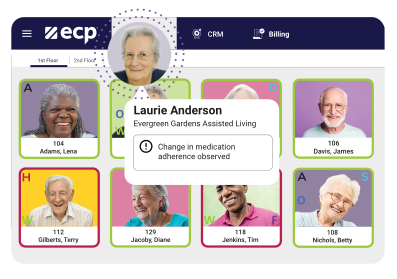
Daily resident behavior, meds, incidents, and engagement in one system
-
KPIs monitored over time, not in hindsight
-
Faster action based on real-world signals
Reimbursement and shared savings
How Operators Can Participate Financially
Value-based care payments typically flow to Medicare-reimbursed providers, but senior living operators can participate through aligned partnerships.
-
Risk-sharing agreements with ACOs and other value-based care providers
-
Examples like ACO Reach and GUIDE
-
Proof of reduction in overall care costs leads to risk-sharing payments
What Operators Say
120,000+ Users put their trust in ECP



Value-Based Care in Senior Living FAQs
What is value-based care in senior living?
Why are EHRs important for value-based care?
Can senior living communities participate in value-based care without an EHR?
It’s extremely difficult. Without an EHR, care data is inconsistent, hard to measure, and difficult to share. Value-based care requires accurate, standardized data over time to support early intervention and collaboration with healthcare providers.
Can senior living operators get paid under value-based care models?
Yes. While payments typically go to Medicare-reimbursed providers, senior living operators can participate through shared-savings or risk-sharing agreements with ACOs and other value-based care partners when they help reduce overall cost of care and improve outcomes.
What value-based care programs affect senior living?
How does ECP support value-based care?
How does AI help with value-based care in senior living?
AI helps identify residents at heightened risk of falls, serious incidents, or changes in length of stay. By surfacing risk earlier and explaining what’s driving it, AI enables more targeted interventions and supports better outcomes in value-based care models.